A popular expression used to signal that it is time to pay up or fork over the cash. (Note: In slang, the verb 'poner' is often used to mean paying or contributing money, and this idiom uses the image of a laying goose to make the phrase more idiomatic).
You guys finish eating, the waiter brings me the bill, and poniendo estaba la gansa.
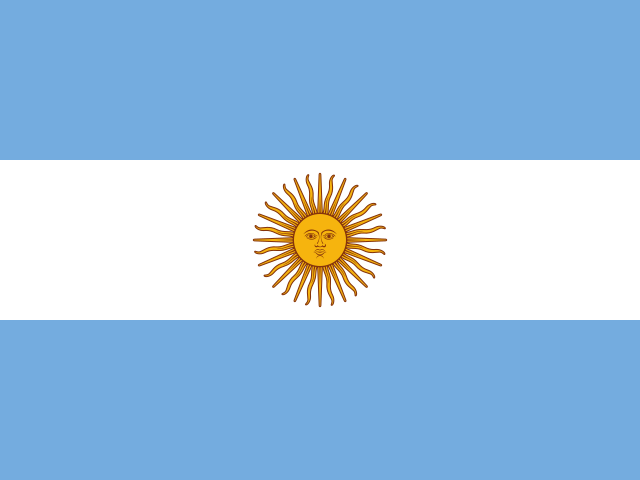
To stand someone up, flake on a plan, or leave someone hanging. It describes not showing up when someone is waiting for you. (Garpe is vesre, or reverse-slang, for the word to pay).
We agreed to meet at that bar and he me dejó de garpe.
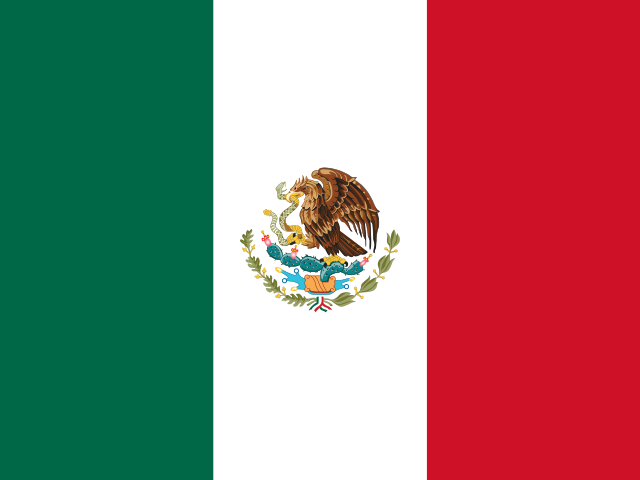
A slang expression used to demand that someone hand over money, whether to pay a debt, provide a loan, or as part of a robbery. (Varo is a common Mexican term for money or pesos).
Caíte con el varo, I really need the money. / Caíte con el varo now and run!
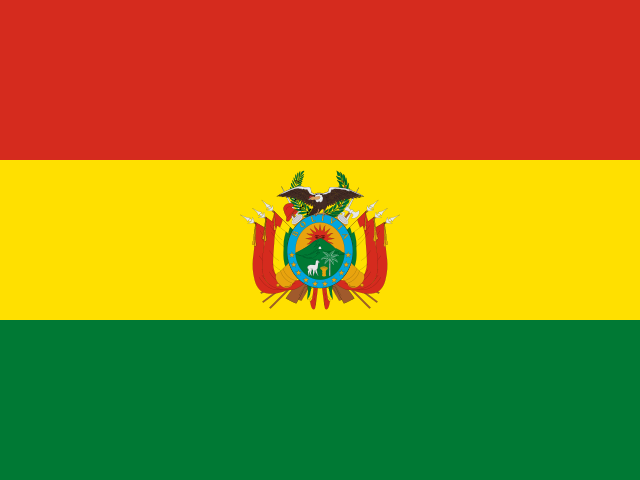
To cough up the cash or pay for something, often reluctantly, to settle a debt or return a favor. (Historically refers to dismounting a mule to pay a toll).
Alright, everyone needs to bajarse de la mula then!
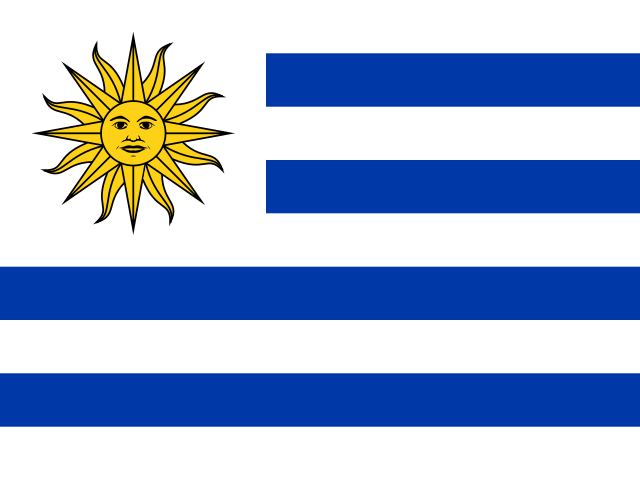
A slang inversion of the verb pagar (to pay), created by swapping its syllables. It means to pay, to shell out, or to foot the bill. (This style of wordplay, where syllables are reversed, is a common linguistic feature in the region known as vesre).


 Bolivia
 Argentina
 México
 Venezuela
 Uruguay
 República Dominicana