A term used in the Ecuadorian highlands (the Sierra region) to refer to one's mother or the female head of the household. It is a popular variation denoting closeness and is distinguished from standard Spanish by its stress on the first syllable (MA ma).
La mama says not to forget to buy the bread before you come.
The standard, affectionate term Argentines use for their mother or the woman who raised them. It is used universally across the country, regardless of social class or age.
Hey, tell your mama that we are all coming over for the asado on Sunday after all (an asado is a traditional social gathering centered around a barbecue).
A casual and affectionate way to refer to one's mother, common in many parts of Spain as an everyday alternative to mamá (the stress is placed on the first syllable).
Hey mama, can I borrow the car this weekend to go to the beach?
A woman hired to care for and raise children in a household not her own, acting as a nanny or governess. Historically, the term specifically referred to a wet nurse who breastfed the family's children, often resulting in a deep, lifelong emotional bond (in Chile, this was common on large rural estates known as haciendas).
My uncles still hold a lot of affection for the mama who cared for them when they were little on the hacienda.
A woman who acts as a wet nurse or nanny, responsible for feeding and raising children who are not her own. This term highlights the maternal care and bond provided by a caregiver who is not the biological mother.
Since my grandmother worked in the fields, a local mama took care of her and nursed her as if she were her own daughter.


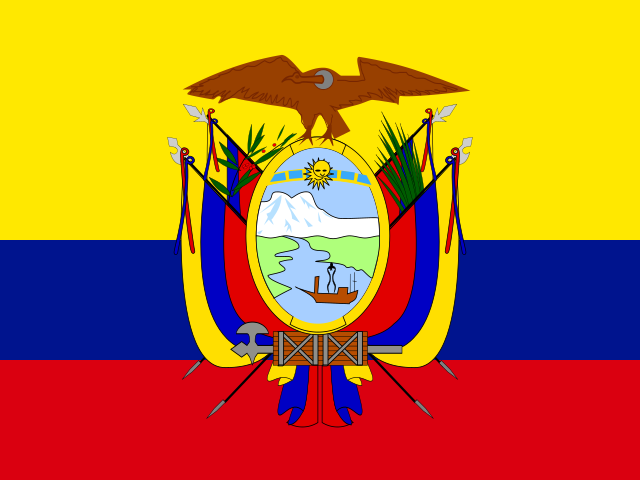 Ecuador
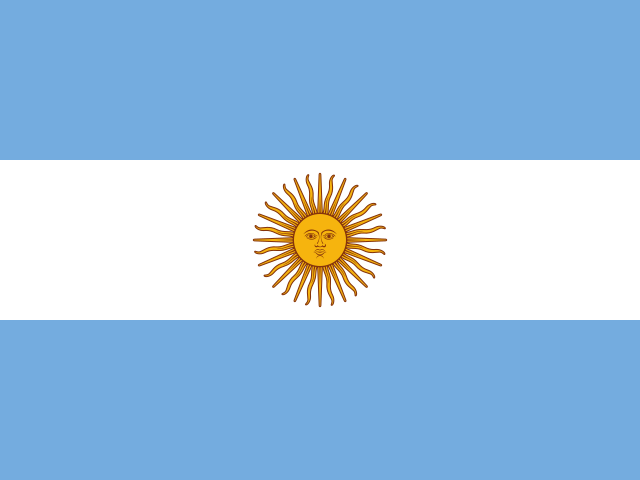 Argentina
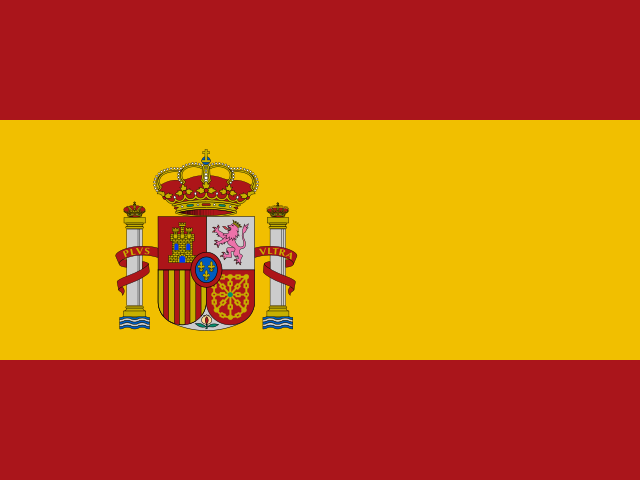 España
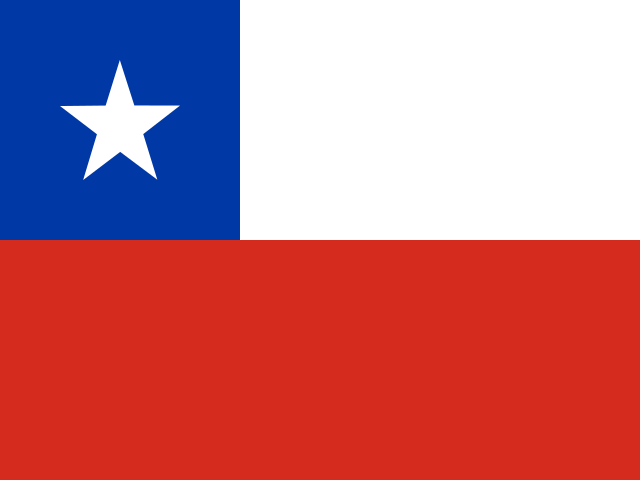 Chile
Chile Perú
Perú