A precious gemstone found in Bolivian territories (a naturally occurring variety of quartz that combines amethyst and citrine, found almost exclusively in Bolivia).
A large, flat stone used in traditional kitchens to grind spices and other ingredients (this tool consists of a heavy base stone and a smaller rocking stone used to crush food).
A flat, smooth stone found in rivers and used as a construction material for floors and walls (commonly used in the interior of the country, which refers to the provinces outside of Panama City).
A: "Oh, that wall is so pretty, what material is it?" B: "That is pure laja, sis. My brother-in-law recommended it to me."
A tedious, boring, or difficult task. Also used to describe an insufferable or annoying person (literally meaning a piece of rubble or brick, implying something heavy and dense).
- I have to read all of this for college. - Ugh, what a cascote!
A homemade slingshot made from a Y-shaped tree branch and an elastic band with a leather pouch for holding stones. While traditionally used by children for hunting birds, it is also a common weapon used by protesters in social movements to resist police repression.
'High in the sky, a warrior eagle, she started acting cocky, so I let her have it with the gomera. Poor little eagle, I hit her right in the pussy!' (A playground parody of the Argentine patriotic hymn, Aurora).
A total drag or an incredibly boring person or situation. It describes someone or something that is extremely tedious or annoying to deal with (the word plomo literally means lead, implying a heavy or dull weight).
Bad luck or a stroke of misfortune. (In Argentina, this term frequently describes a series of unlucky events, though in other dialects it more commonly refers to someone being mean-spirited).
Pedro has such mala leche! He got canned from his new job.
A person or object that acts as a jinx, or the state of having bad luck itself. (The term is central to Argentine superstitions, especially regarding soccer).
A guy who climbs high up a utility pole for a pittance just to smoke crack and then disconnect the power again to hustle for cigarette and rum money (Romo is a common Caribbean term for rum).
Popi a. k. a. Bad Luck: when he is high he climbs up and connects the Elektrico wires with his mouth. Niko: just another crackhead who walks on live wires barefoot.
A large quantity of small stones or gravel used for decoration, paving streets, or starting a war. (In the Dominican Republic, throwing stones is a common way to engage in street brawls or protests).
I need two buckets of gravilla to fill the garden.


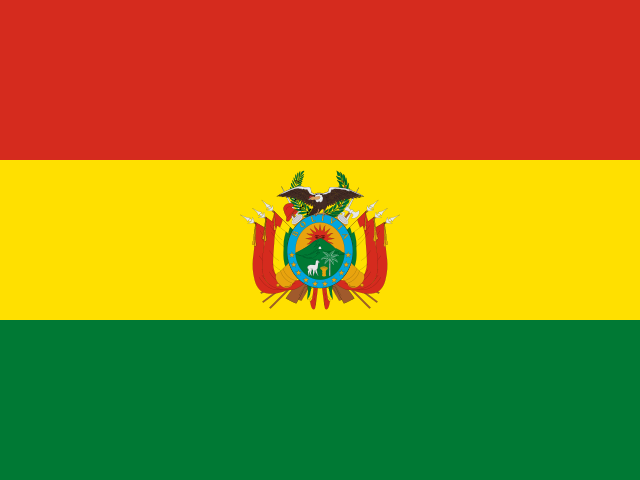 Bolivia
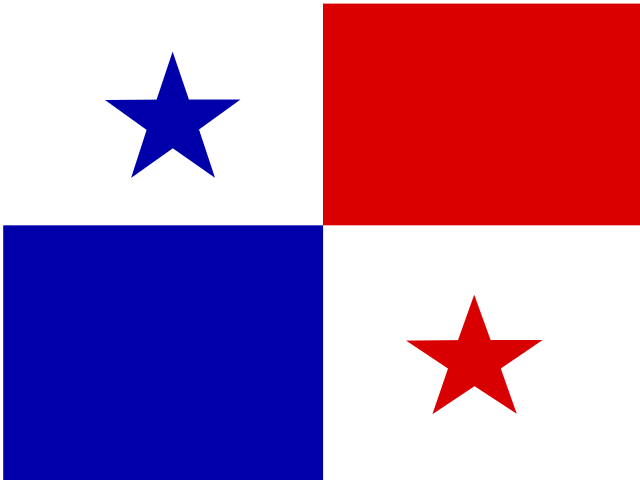 Panamá
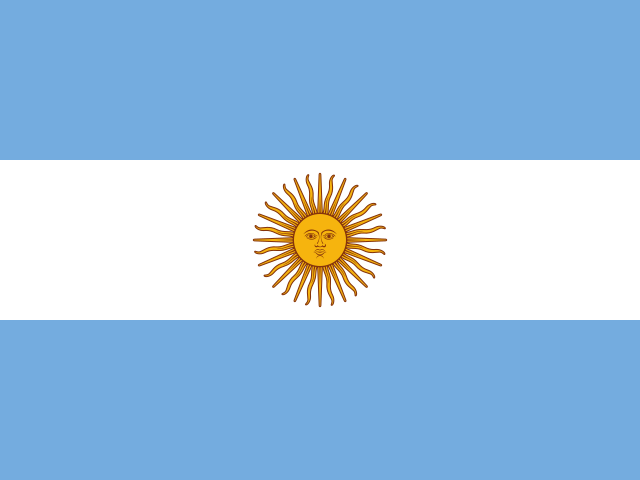 Argentina
 Venezuela
 República Dominicana
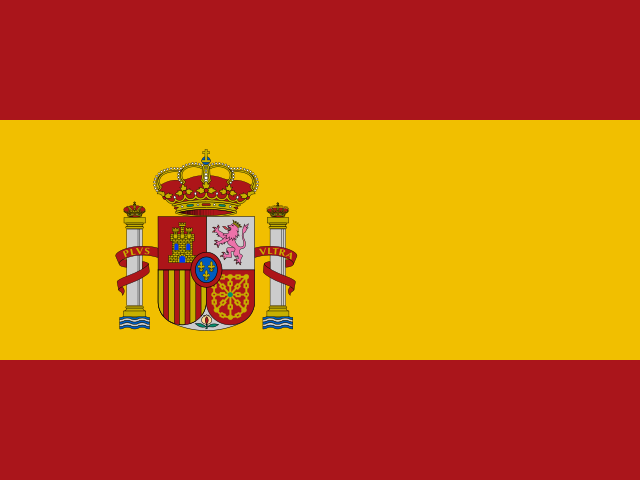 España
 Colombia
 Global