An affectionate nickname for a woman who is exceptionally loyal, sweet, and supportive. It highlights a noble-hearted person who is always ready to help or provide emotional comfort during tough times. (Historically referring to country women or a gaucho's companion, it is now a term of endearment for a selfless friend or partner.)
The china is such a good girl, she stayed up all night with me lending a hand so I could finish studying.
A traditional term for a woman who accompanies the Mexican charro (a traditional horseman), recognized for wearing a vibrant folk dress decorated with sequins. The figure is linked to the china poblana (a symbolic archetype of Mexican identity) and her elaborate outfit featuring ruffles and ornaments.
For the September 16th festival, all the girls in the classroom have to come dressed as a china with their braids and their shawl.
An affectionate term used by Cubans for their better half or a woman they love. It is a sweet pet name frequently heard in traditional songs to refer to a girlfriend or wife (in Cuba, this term is used as an endearment regardless of the person's actual ancestry).
Hey, mi china, make me some coffee, I woke up thinking about you today.
A common term for a nanny or babysitter who cares for and helps raise children in a household. (This is the standard informal word used in Nicaragua for a childminder).
Tell the china to please get the kids ready, we are leaving for the party soon.
The common name for a sweet orange in the Dominican Republic (while most Spanish speakers say naranja, Dominicans use this term based on the fruit's historical origins in China).
This china is really sour, it looks like it was meant for making juice.
A term used for a maid or domestic worker who cleans, cooks, and does laundry. It is also used to complain that someone is being treated like a servant or is expected to handle all the housework alone. (In the Andes, the term is derived from Kichwa and historically referred to indigenous female servants).
Hey, pick up your mess and wash what you dirtied, I am not your China!
A common nickname for a woman with almond-shaped or narrow eyes, resembling Asian features. It is a very common everyday term used to refer to someone based on their small eyes (in Latin American culture, this is a standard descriptive nickname often used regardless of the person's actual ancestry).
Did you see China? She got new glasses and her eyes look even smaller now.
A colloquial and affectionate way to refer to a girl, young woman, or girlfriend. (Originally used for rural women of indigenous or mixed descent, it is now a general term of endearment).
Look how pretty Facundo's China looks in that new dress she bought.
An affectionate term used in rural and gaucho culture to refer to a young woman, a girl, or a female partner. (In the Argentine countryside, it is a common way to address or talk about one's wife or girlfriend with endearment).
Your China looks so lovely in that new dress you bought her in town!


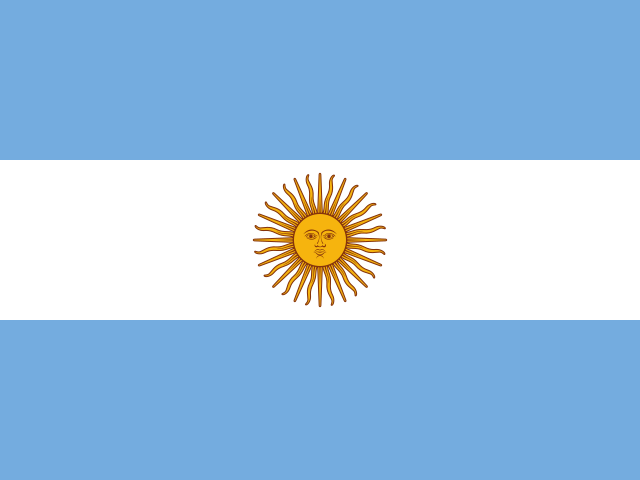 Argentina
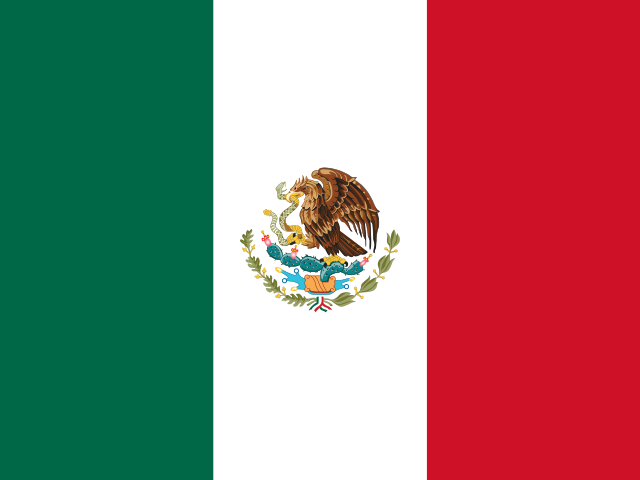 México
 Cuba
Cuba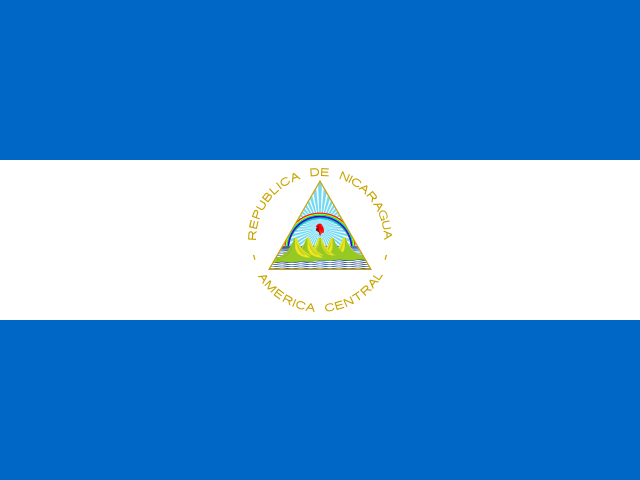 Nicaragua
 República Dominicana
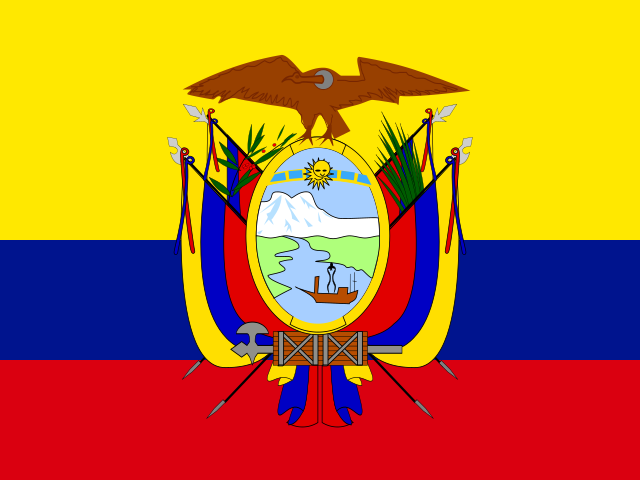 Ecuador
 Guatemala
 Venezuela
 Perú
Perú