A wild tree that grows in the arid zones and coastal valleys of Peru, characterized by its thorny branches and pods. It is the common name used in various regions of the country for the Acacia macrantha species.
We had to walk carefully through the brush to avoid getting stuck by the thorns of the guarangos.
A name for a thorny tree common in dry Andean landscapes that produces pods. It is known for its gnarled branches and extremely hard, resistant wood (a common sight in the Ecuadorian highlands).
Be careful walking through that field because the guarangos have really long thorns that can tear your clothes.
A humble rural shack or hut, similar to a bohío, featuring a single room with no interior walls. It is a basic living space where everything happens in one area (a bohío is a traditional Caribbean thatched-roof hut).
When we visited the most remote part of the countryside, we saw that there is still the occasional guarango standing near the river.
A local name for the dividivi, a wild tree from the legume family very common in arid areas. Its fruit is known for being rich in tannins, historically used to tan leather.
If you walk through the hills, you will see a bunch of guarangos with their branches all twisted by the wind.
Refers to a coarse or unrefined person, usually of rural origin, who is not very bright but is arrogant enough to think they are incredibly smart. It describes a person who tries to be a wise guy without realizing that their lack of intelligence is obvious to everyone. (In the River Plate region, this term historically suggests a lack of the manners or polish typically associated with the city).
Don't pay any attention to that Guarango, he acts like he knows it all and then he always ends up putting his foot in it.


 Perú
Perú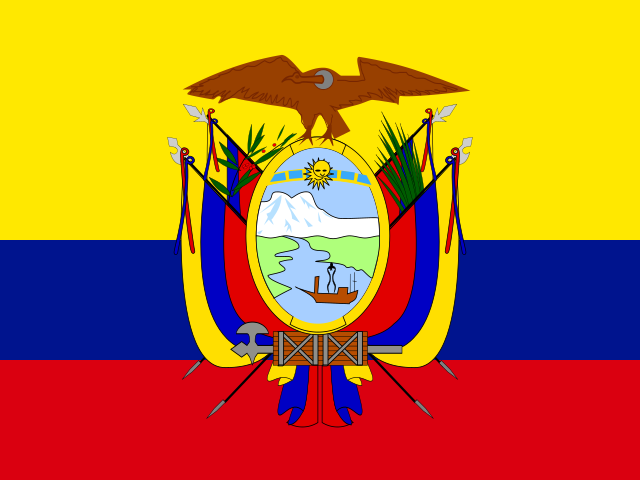 Ecuador
 Colombia
 Cuba
Cuba Venezuela
 Uruguay
 Argentina